A Dinner That Feels Fancy (But Isn’t)
Hey there! I’ve been craving something that feels restaurant-quality without making me stand over the stove for hours. That’s exactly why I fell in love with this Creamy Salmon Spinach Pasta with Garlic, Lemon & White Wine Sauce. Imagine tender bites of perfectly seared salmon nestled in a silky sauce that’s brightened with lemon and warmed by garlic, all tossed with fresh spinach and pasta. Whenever I serve this, I feel like I’m treating myself and anyone I share it with to a special night—without the stress of complicated cooking. Whether it’s a weeknight when you want something quick yet satisfying, or a weekend dinner date where you want to impress, this recipe delivers every time. Trust me, once you make it, you’ll be coming back to it again and again!
Why This Dish Works So Well
First off, salmon is naturally rich, with healthy omega-3 fats and protein that leave you feeling full and energized. Then, garlic and white wine team up to form a sauce that’s both savory and sophisticated—yet it only takes a few minutes to come together. The lemon juice cuts through the richness, giving the whole dish a bright, springy vibe. I always toss in fresh spinach at the end so it just wilts into the sauce, adding color, nutrients, and a hint of freshness. Finally, you can choose any pasta you like—fettuccine, linguine, or even penne—and cook it while you sear the salmon. The timing lines up perfectly, so everything finishes right around the same moment. No overcooked pasta or soggy fish here!
Nutritional Benefits You’ll Love
I know that sometimes a creamy sauce can feel indulgent, but this dish actually packs quite a nutritional punch. Salmon is loaded with heart-healthy omega-3 fatty acids, which help reduce inflammation and keep your brain sharp. It’s also an excellent source of lean protein—perfect for muscle repair and keeping hunger at bay. The spinach adds iron, magnesium, and vitamins A and C, which support your immune system and overall well-being. Instead of heavy cream, I use a combination of half-and-half or whole milk mixed with a bit of flour to thicken, so you still get that luscious, velvety texture without overdoing saturated fats. And, of course, the garlic offers antioxidants, while a splash of lemon juice delivers a dose of vitamin C. All in all, this meal feels decadent but keeps nutrition in check, making it a win-win.
Adaptable Variations For Every Palate
- Dairy-Free Twist: Swap out the half-and-half for canned coconut milk (the unsweetened kind). Use a gluten-free flour or cornstarch to thicken, and you have a dairy-free sauce that’s just as creamy and flavorful.
- Kick It Up a Notch: If you love a little heat, add 1/4 teaspoon of red pepper flakes when sautéing the garlic. It warms things up without overpowering the delicate salmon flavor.
- Green Goodness: Increase the veggies by tossing in broccoli florets or asparagus tips right after you make the sauce. They cook in a few minutes, adding extra color and nutrients.
- Low-Carb Option: Replace the pasta with zucchini noodles or shirataki noodles to cut carbs and keep the dish light, especially great for those following a keto or low-carb lifestyle.
- Herby Upgrade: Stir in a handful of fresh herbs—like dill, parsley, or basil—right before serving. Fresh herbs bring a pop of brightness that pairs beautifully with salmon.
Ingredients You’ll Need
- Salmon & Seasoning
- 2 salmon fillets (about 6 ounces each), skin removed
- Salt and pepper, to taste
- 1 tablespoon olive oil (for searing)
- Sauce & Pasta
- 8 ounces pasta (fettuccine, linguine, or penne)
- 3 tablespoons butter
- 3 cloves garlic, minced
- 1/4 cup dry white wine (e.g., Sauvignon Blanc or Pinot Grigio)
- 1 cup half-and-half (or heavy cream for extra richness)
- 2 tablespoons all-purpose flour
- 1 lemon (zested and juiced)
- 2 cups fresh baby spinach
- Salt and pepper, to taste
- Fresh parsley or dill, chopped (for garnish, optional)
Step-by-Step Instructions
- Prep The Pasta: Bring a large pot of salted water to a boil. Add your pasta and cook according to package directions until al dente. Reserve 1/2 cup of pasta cooking water before draining. Drain the pasta and set aside in a large mixing bowl—drizzle a tiny bit of olive oil over it to keep it from sticking as you finish the sauce and salmon.
- Season & Sear Salmon: While the pasta water is heating, pat the salmon fillets dry with paper towels. Season both sides generously with salt and pepper. Heat 1 tablespoon of olive oil in a large skillet over medium-high heat. Once hot, add salmon fillets. Cook for about 3–4 minutes per side (depending on thickness) until golden brown on the outside and just cooked through in the center. Transfer salmon to a plate, cover loosely with foil, and set aside. (Hint: If you like crispy edges, let salmon cook an extra 30 seconds on each side, but be careful not to overcook.)
- Make The Garlic-Lemon Wine Sauce: In the same skillet (leave any browned bits from cooking the salmon—that’s flavor!), reduce heat to medium. Add 3 tablespoons of butter. Once melted, add minced garlic. Sauté for about 30 seconds until fragrant—don’t let it brown or burn. Pour in 1/4 cup of dry white wine and allow it to simmer for 1–2 minutes, scraping up any browned bits from the bottom of the pan. This deglazing step brings tons of flavor into your sauce.
- Thicken The Sauce: In a small bowl, whisk together 1 cup of half-and-half and 2 tablespoons of flour until smooth. Pour this mixture into the skillet with the garlic and wine. Stir constantly to combine and prevent lumps. Let the sauce come to a gentle simmer; it should thicken within 2–3 minutes. If it becomes too thick, stir in a splash of reserved pasta water—about 2 tablespoons at a time—until you reach the desired consistency.
- Brighten With Lemon: Once the sauce has thickened, turn off the heat. Add the zest of 1 lemon and the juice of half the lemon (about 1–2 tablespoons). Stir well to incorporate. Taste and season with additional salt and pepper if needed.
- Wilt The Spinach: Add 2 cups of fresh baby spinach to the sauce. Stir gently; the residual heat will wilt the spinach in just 1–2 minutes. If you want your leaves extra-tender, cover the skillet with a lid for a moment, then stir and remove the lid.
- Combine Pasta & Salmon: Pour the wilted spinach and lemon-garlic sauce over the cooked pasta in your large bowl. Toss until every strand of pasta and piece of spinach is coated in the sauce. Break your salmon fillets into large chunks and gently fold them into the pasta—try not to mash them. The idea is to have tender, flaky bites of salmon throughout. If the pasta seems dry, add a bit more reserved pasta water or a splash of half-and-half.
- Plate & Garnish: Divide the pasta evenly among serving plates. Finish with a sprinkle of fresh chopped parsley or dill, and a light squeeze of the remaining lemon half if you want extra zing. Serve immediately while it’s warm and creamy. Enjoy every luxurious forkful!
Practical & Valuable Tips
- Optimize Your Timing: Start cooking the pasta right when you put the salmon in the skillet. By the time the pasta is al dente, your salmon will be ready to rest. This way, nothing sits and gets cold.
- Watch The Lemon Zest: Avoid adding lemon zest too early in the sauce—high heat can turn it bitter. I like to zest at the end and stir it in off the heat, preserving that bright, citrus aroma.
- Use Fresh Spinach: Frozen spinach can be used in a pinch, but it releases more water and won’t have the same vibrant color. If you choose frozen, thaw and squeeze out excess moisture before adding.
- Prevent Overcooked Salmon: Fish continues cooking after you remove it from the heat. If you like slightly medium-rare fillets, take them off the stove just before they look fully opaque in the center—the carryover heat finishes them perfectly.
- Adjust Creaminess: If you prefer a lighter sauce, use whole milk instead of half-and-half—just whisk a teaspoon of flour into it so it still thickens nicely. Or, if you want extra richness, drizzle 1 tablespoon of cream or crème fraîche into the finished sauce.
- Wine Substitute: Don’t have white wine on hand? Use low-sodium chicken or vegetable broth with a splash of white wine vinegar (about 1 teaspoon) to mimic the acidity. It won’t be quite the same, but it’s a solid substitute.
- Leftover Magic: Store leftovers in an airtight container in the fridge for up to 2 days. When reheating, add a splash of milk or broth to revive the sauce’s creaminess. Gently rewarm on the stovetop over low heat rather than microwaving—this keeps the sauce smooth and the salmon flaky.
Frequently Asked Questions
- Can I use frozen salmon fillets? Yes! Just thaw them in the refrigerator overnight and pat them dry thoroughly before seasoning and searing. If partially frozen, the outside can overcook before the inside thaws completely, so full thaw is best.
- What if I don’t drink alcohol? You can substitute the white wine with low-sodium chicken or vegetable broth plus 1 teaspoon white wine vinegar. The acidity helps brighten the sauce, but skip the alcohol if you prefer.
- How do I keep the spinach from becoming mushy? Add fresh spinach at the very end and stir gently off the heat, or cover with a lid for only 30 seconds. It should be wilted but still bright green and tender-crisp.
- Can I prepare components ahead of time? Absolutely! You can cook the pasta and store it separately in the fridge for up to 24 hours. You can also season the salmon and have it ready to sear, and chop garlic and zest lemon in advance. When you’re ready to serve, it all comes together quickly.
Call to Action
If you give this Creamy Salmon Spinach Pasta a try, I’d love to hear how it turns out! Snap a photo, share it on Pinterest, and tag me so I can see your beautiful creations. And if you’re craving more quick-yet-elegant dinners, follow me on Pinterest for recipes that make everyday meals feel special. Happy cooking!
One-Pan Magic with a Cajun Kick
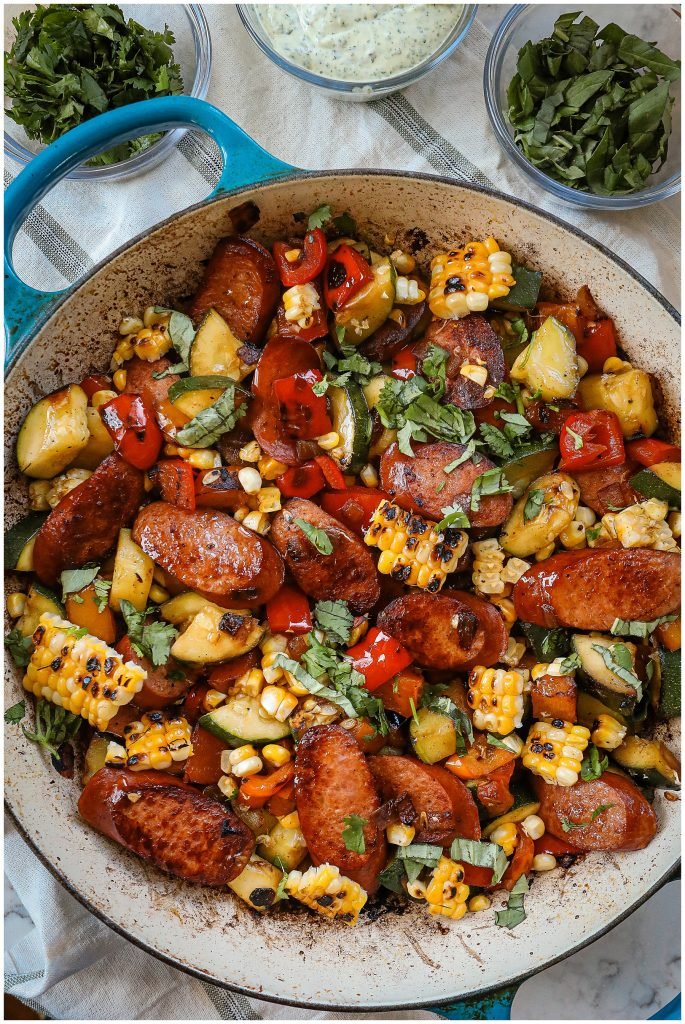
Hi, friend! Have you ever needed dinner in a hurry—something cozy, filling, and with just the right amount of spice to wake up your taste buds? Let me introduce you to my go-to Summer Sausage Skillet with Andouille Sausage. It’s a cheerful, one-pan wonder packed with bold Cajun flavors that come together in under 30 minutes. I love this dish because it feels like a weeknight lifesaver: throw in a handful of ingredients, let a bit of sautéing happen, and boom—you have a hearty, smoky meal that anyone will devour. Plus, cleanup is a breeze since everything cooks in one skillet. Whether it’s football season, a casual family dinner, or a laid-back gathering with friends, this skillet meal always impresses and never disappoints.
Why Cajun Flair Works Every Time
Cajun cooking is all about bold, robust seasonings—think smoked sausage, sautéed veggies, and just enough heat to make you happy without burning your tongue off. The heart of this dish is the Andouille sausage, which delivers a smoky, slightly spicy essence that infuses the entire skillet. Then, I like to add summer sausage—either beef or pork—because it’s got that savory, cured-meat vibe that pairs so well with the veggies. You’ll toss in onions, bell peppers, and maybe even some corn or tomatoes, depending on what you have on hand. Everything simmers together with a touch of chicken broth and a pinch of Cajun seasoning, creating a cozy, soulful meal. Once you scoop it onto a plate—over rice, pasta, or just eat it straight from the skillet—every bite is smoky, slightly spicy, and utterly satisfying.
Nutritional Benefits to Brag About
I know it sounds indulgent—sausages sizzling in oil—but hear me out: this meal also has its share of nutrients. Andouille and summer sausages provide a good source of protein, which helps keep you full and supports muscle repair. The vegetables—like bell peppers and onions—bring vitamins A and C, fiber, and antioxidants to the mix. If you choose a leaner chicken sausage variety, you can lighten the dish up a bit while still getting that signature flavor. Pairing the skillet with brown rice or a side of quick-cooking quinoa adds complex carbs and extra protein. I promise that by tossing in colorful veggies and balancing your starch, you get the best of both worlds: bold Cajun taste and actual nutritional benefits.
Easy Variations & Ingredient Swaps
- A Lighter Sausage Option: Swap the pork-based summer sausage for turkey or chicken sausages. Choose the Andouille made from poultry or a spicier chicken jalapeño sausage to keep that heat without so much fat.
- Veggie Boost: Add more vegetables like sliced zucchini, halved cherry tomatoes, or frozen corn kernels. Just toss them in a few minutes before the dish finishes so they don’t overcook.
- Low-Sodium Adaptation: Use a low-sodium chicken broth and rinse or soak the sausages in hot water for a minute to remove excess salt. Then blot them dry before adding to the skillet.
- Spice Level Control: Adjust Cajun seasoning to taste. If you like extra heat, sprinkle in additional red pepper flakes or chopped jalapeños. For a milder taste, reduce the seasoning by half and skip any extra chilis.
- Gluten-Free Twist: Make sure your sausage is labeled gluten-free (many are but always check). Serve over rice or a gluten-free grain instead of traditional rice and beans.
- One-Pot Comfort: If you want to turn it into a full one-pot meal, toss in par-cooked rice or cooked pasta near the end. Stir gently so the starch soaks up some of the flavorful juices, making an all-in-one dish.
Ingredients You’ll Need
- Sausages:
- 6 ounces Andouille sausage, sliced into 1/4-inch rounds
- 6 ounces summer sausage (beef or pork), sliced into 1/4-inch rounds
- Vegetables & Base:
- 1 tablespoon olive oil (or avocado oil)
- 1 medium yellow onion, diced
- 1 green bell pepper, diced
- 1 red bell pepper, diced
- 3 cloves garlic, minced
- 1 cup chicken broth (low-sodium if possible)
- Seasonings & Extras:
- 2 teaspoons Cajun seasoning (store-bought or homemade)
- 1/2 teaspoon smoked paprika (optional for extra smokiness)
- 1/4 teaspoon crushed red pepper flakes (adjust to taste)
- Salt and pepper, to taste
- 1 cup cherry tomatoes, halved (optional)
- 1 cup baby corn kernels or frozen corn (optional)
- 2 tablespoons chopped green onions or parsley for garnish
- Serving Suggestions:
- Cooked white or brown rice, quick-cooking quinoa, or egg noodles
- Hot sauce or extra Cajun seasoning on the side for drizzling
Step-by-Step Instructions
- Prepare Your Base: Heat 1 tablespoon of olive oil in a large, heavy skillet (cast iron works great) over medium-high heat. Once hot, add the sliced Andouille and summer sausage. Sear for about 2–3 minutes per side until they develop a golden crust. This initial sear brings out smoky flavors. Remove sausages to a plate and set aside.
- Sauté Aromatics: In the same skillet, reduce heat to medium. Add diced onion and bell peppers. Sauté for 3–4 minutes until they begin to soften and the onions become translucent. Scrape up any browned bits from the sausage—they pack tons of flavor into the veggies. Add minced garlic and cook for another 30 seconds until fragrant.
- Add Seasonings & Liquids: Sprinkle in 2 teaspoons of Cajun seasoning, 1/2 teaspoon smoked paprika, and 1/4 teaspoon crushed red pepper flakes. Stir to coat the veggies. Pour in 1 cup of chicken broth, scraping the bottom of the skillet to release any caramelized bits. Bring to a gentle simmer.
- Combine Sausages & Optional Veggies: Return the seared sausages to the skillet. If you’re using cherry tomatoes or corn, stir them in now. Let everything simmer for 5–7 minutes, allowing sausages to reheat and veggies to finish cooking. The broth will reduce slightly, concentrating flavors.
- Adjust & Thicken (Optional): If you want a slightly thicker sauce, mix 1 teaspoon of cornstarch with 1 tablespoon of cold water in a small bowl. Stir this slurry into the simmering liquid and cook for 1–2 minutes until it thickens. Taste and add salt or pepper if necessary. Keep in mind that sausages can be salty, so taste before salting too much.
- Serve Over Your Favorite Base: Spoon the hot sausage-and-veggie mixture over a bed of cooked rice, quinoa, or egg noodles. If you opted for a one-pot approach, you can add pre-cooked rice or pasta about 2 minutes before the end of the simmer, mixing gently so it absorbs the flavorful broth.
- Garnish & Enjoy: Sprinkle chopped green onions or parsley on top for a fresh pop of color. Serve immediately—this dish is best enjoyed hot, with a dash of hot sauce if you crave extra heat. Trust me, every bite will be bursting with Cajun flair!
Practical & Valuable Tips
- Use High-Quality Sausages: The star of this dish is the sausage, so invest in good-quality Andouille and summer sausage. Look for sausages with minimal fillers and authentic seasoning—your taste buds will thank you.
- Cut Veggies Uniformly: Dice onions and bell peppers into similar-sized pieces so they cook evenly. I like roughly 1/2-inch dice—big enough to bite into, but small enough to soften quickly.
- Control Salt Levels: Many smoked sausages are naturally high in sodium. Before adding extra salt, taste the simmering mixture. If it’s already flavorful, skip additional salt and let the spices shine.
- Customize Heat: Cajun seasoning varies by brand. If you buy a mild blend, you might want to add more crushed red pepper flakes or a dash of cayenne to achieve that trademark kick. Conversely, if it’s super hot, use a lighter hand and add more peppers gradually.
- One-Pan Convenience: This skillet recipe is perfect for busy nights. But if you want to prep in advance, slice your sausages and chop veggies ahead of time. Store each in separate airtight containers in the fridge for up to 2 days. When you’re ready to cook, simply toss everything in and follow the steps.
- Leftover Storage: Leftovers keep well in the fridge for up to 3 days. Reheat gently on the stovetop over low heat, adding a splash of broth or water if the skillet seems dry. You can also freeze portions in airtight containers for up to 2 months—just thaw in the fridge overnight before reheating.
- Serving Variations: Serve with a side of garlic bread or crusty baguette to sop up extra sauce. For a low-carb twist, skip the rice and plate the skillet over cauliflower rice or spiralized zucchini noodles.
Frequently Asked Questions
- Can I use other types of sausage? Absolutely! Andouille and summer sausage are traditional here, but you can substitute kielbasa, chorizo, or even a spicy smoked chicken sausage. Just adjust the seasoning if your sausage is already heavily spiced.
- Is Cajun seasoning necessary? Cajun seasoning is key for authentic flavor, but if you don’t have it, you can mix paprika, garlic powder, onion powder, cayenne pepper, thyme, and oregano to taste. Experiment until you find a blend you love.
- How can I make this dish vegetarian? Skip the sausage and use hearty plant-based sausage alternatives. You can also add extra beans—like kidney beans or black beans—for protein. Increase the vegetables and add more Cajun seasoning for robust flavor.
- Can I make this in a slow cooker? Sure! Brown the sausages and sauté veggies on the stovetop first, then transfer everything to a slow cooker with chicken broth and seasonings. Cook on low for 3–4 hours. Stir in corn or tomatoes during the last 30 minutes so they don’t become mushy.
Call to Action
Ready to bring a taste of Cajun country to your dinner table? Give this Summer Sausage Skillet with Andouille Sausage a try, and let me know how it turns out! Snap a photo, share it on Pinterest, and tag me—I love seeing your culinary creations. And if you’re looking for more quick, one-pan wonders like this, follow me on Pinterest for easy weeknight meals that pack tons of flavor. Happy cooking, y’all!