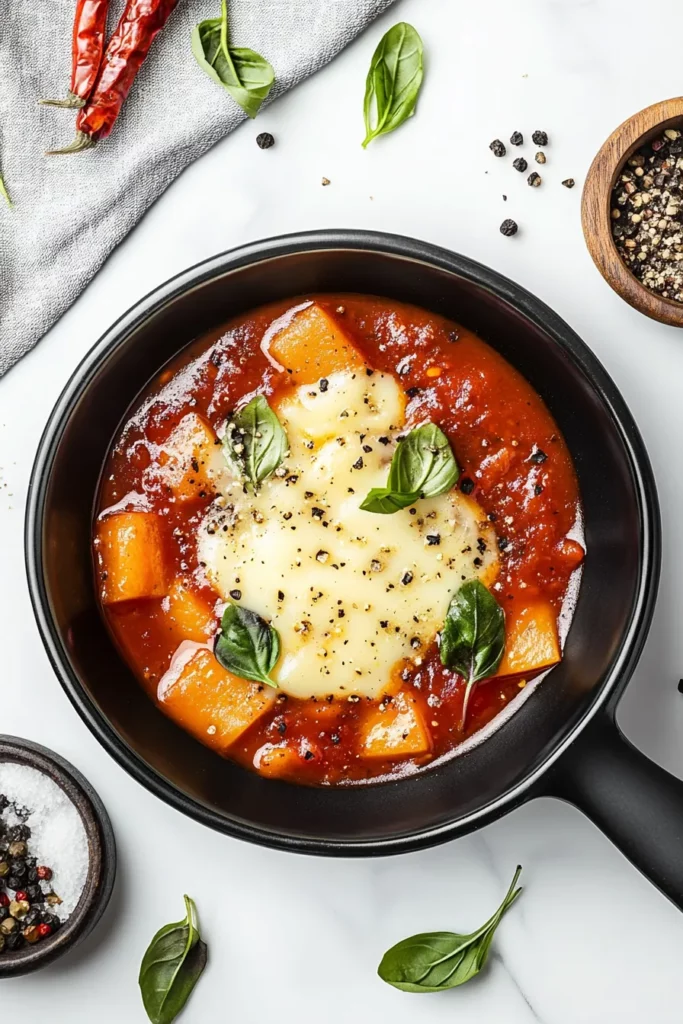
Quick Kitchen Sauce: A Simple, Flavorful Sauce for Any Dish
Hey there, home cook! If you’re anything like me, you crave a little sauce magic to pull every meal together—but sometimes you don’t have time to whisk together a dozen ingredients or sweat over a simmering pot. That’s exactly why I developed this Quick Kitchen Sauce: an ultra-easy, ultra-versatile blend you can throw together in under five minutes with pantry staples. Whether you’re drizzling it on roasted veggies, tossing it through pasta, brushing it on grilled meats, or using it as a dip for fries, this sauce elevates every bite. I first experimented with it on a busy weeknight when I needed something bright and saucy to rescue leftover chicken and steamed broccoli. One squeeze later, my husband and I couldn’t stop spooning it over everything in sight!
Nutritional Benefits of Your Pantry Power-Up
This sauce may feel like a treat, but it’s actually packed with ingredients that bring real nutrition to your table—without a lot of fuss. Here’s why I feel great adding a drizzle of Quick Kitchen Sauce to my meals:
- Vitamin C & Antioxidants: Fresh lemon or lime juice delivers an immune-boosting hit of vitamin C and flavonoids, helping your body fight inflammation and support skin health.
- Healthy Fats: A splash of extra-virgin olive oil or avocado oil adds monounsaturated fats that promote heart health and help your body absorb fat-soluble vitamins from veggies and proteins.
- Probiotic Punch: A dollop of plain yogurt or a teaspoon of Dijon mustard adds tang and a touch of probiotic benefit for digestion (when using yogurt).
- Mineral Boost: A small sprinkle of sea salt or soy sauce lends sodium and trace minerals without overdoing it—plus umami depth that makes each bite more satisfying.
- Fiber & Phytonutrients: If you stir in minced fresh garlic, shallots, or fresh herbs like parsley and cilantro, you’ll gain added fiber, vitamins, and antioxidants that support overall health.
- Low in Calories: Compared to cream-based or sugar-laden sauces, this quick sauce stays light—around 50–70 calories per serving—so you can enjoy more flavor with fewer guilt trips.
Adaptable Variations & Flavor Twists
One of the best things about Quick Kitchen Sauce is how easily you can riff on the base recipe to match your pantry, dietary needs, or flavor cravings. Here are some of my favorite variations:
- Garlic Herb: Stir in 1 clove minced garlic, 1 tablespoon chopped fresh parsley or basil, and a pinch of dried oregano for a bright, herby twist perfect on chicken or fish.
- Spicy Sriracha: Add 1–2 teaspoons of Sriracha or chili-garlic sauce to the base for a smoky, spicy kick that pairs beautifully with grilled shrimp or roasted cauliflower.
- Ginger-Soy: Swap the citrus for 2 tablespoons rice vinegar, 1 tablespoon soy sauce, and 1 teaspoon grated fresh ginger—an Asian-inspired glaze for stir-fries or noodle bowls.
- Creamy Avocado: Mash half an avocado into the sauce for extra creaminess and healthy fats—ideal as a dip for veggie sticks or a spread on sandwiches.
- Tahini Lemon: Replace the yogurt or mustard with 2 tablespoons tahini and thin with water or lemon juice for a nutty, Mediterranean-style drizzle over roasted chickpeas or salads.
- Peanut Satay: Stir in 1 tablespoon peanut butter, 1 teaspoon soy sauce, and a dash of lime juice for a quick satay-style sauce that’s delicious on chicken skewers or rice bowls.
- Maple-Dijon: Swap honey for 1 tablespoon maple syrup and increase Dijon to 2 teaspoons for a sweet-savory glaze perfect on pork or roasted root veggies.
- Herbed Yogurt: Use 2 tablespoons Greek yogurt instead of oil, add fresh dill and chives, and thin with a bit of water for a tangy dip that’s great with falafel or raw veggies.
The Recipe: Quick Kitchen Sauce
Ingredients (Makes about ½ cup)
- 2 tablespoons extra-virgin olive oil (or avocado oil)
- 2 tablespoons fresh lemon juice (or lime juice or white wine vinegar)
- 1 teaspoon Dijon mustard (or plain yogurt)
- 1 teaspoon honey or maple syrup (optional, balances acidity)
- 1 small clove garlic, finely minced (or ¼ teaspoon garlic powder)
- 1 tablespoon finely chopped fresh herbs (parsley, cilantro, basil) or ½ teaspoon dried herbs
- Salt & freshly ground black pepper, to taste
- Optional: 1 teaspoon soy sauce or tamari for umami depth
Instructions
- Gather & prep: Have all ingredients at room temperature. Mince garlic and chop herbs so they’re ready to go.
- Whisk base: In a small bowl or jar, whisk together oil, lemon juice, and Dijon mustard (or yogurt) until smooth and emulsified.
- Add flavor: Stir in honey (if using), minced garlic, and chopped herbs. Whisk again to combine evenly.
- Season: Add salt and pepper a little at a time, tasting as you go. If you like extra umami, whisk in soy sauce or tamari here.
- Adjust: For a thinner sauce, whisk in 1–2 teaspoons of water. For more zip, add an extra splash of lemon juice or a pinch of red pepper flakes.
- Rest & serve: Let the sauce sit 5–10 minutes at room temperature for flavors to meld. Drizzle over your dish of choice—roasted veggies, grain bowls, meats, or as a dipping sauce.
- Store: Keep leftover sauce in an airtight container in the fridge for up to 5 days. Whisk well before each use as separation can occur.
Practical & Valuable Tips
- Emulsify well: Whisk vigorously or shake in a lidded jar until oil and acid blend into a creamy consistency—no clumps!
- Fresh herbs shine: Use fresh herbs whenever possible. If using dried, crush them between your fingers before adding to release their oils.
- Balance acidity: Taste as you go. If sauce tastes too tart, add a bit more honey or oil. If it’s too rich, add more lemon juice or vinegar.
- Batch make: Double the recipe and keep half in the fridge for quick meal prep all week—great on salads, wraps, and grilled proteins.
- Flavor boost: A small pinch of smoked paprika or cumin adds depth without extra effort. Experiment with spices to match your cuisine.
- Room temp prep: Let ingredients warm up to room temperature so your sauce blends smoothly and your oil doesn’t solidify if chilled.
- Use a small jar: Make and store your sauce right in a small Mason jar—it’s perfect for shaking and storing with minimal cleanup.
- Creative serving: Serve as a dipping sauce for fries, a marinade for chicken, or drizzle over fresh fruit for a sweet-savory dessert twist.
Frequently Asked Questions
- Can I use other acids?
Absolutely! Apple cider vinegar, red wine vinegar, or rice vinegar work beautifully—just adjust the quantity to taste, starting with 1½ tablespoons. - How long does it keep?
Stored airtight in the fridge, your sauce stays fresh up to 5 days. Shake or whisk before using as separation is normal. - Can I omit the oil?
Yes—use all yogurt or all mustard and thin with water or broth. The texture will be lighter but still flavorful. - Is it gluten-free?
Yes—ensure your mustard and soy sauce (if using) are labeled gluten-free. All other ingredients are naturally free of gluten. - How can I thicken it?
Whisk in a pinch of xanthan gum (¼ teaspoon) or more mustard/yogurt until you reach your desired consistency.
Call to Action
I hope this Quick Kitchen Sauce becomes your new secret weapon for weeknight dinners, lunches, and snacks galore. When you try it, snap a photo of how you’re drizzling, dipping, or brushing it on your favorite dishes, and tag me on Pinterest so I can re-pin your creations! And if you invent a delicious variation—maybe a mint-yogurt twist for lamb or a chili-lime kick for shrimp—drop a comment below to share your culinary inspiration with our saucy community. Here’s to flavor made easy and meals that wow with almost no effort. Enjoy!