A Bright, Bold Side Dish You’ll Make Again and Again
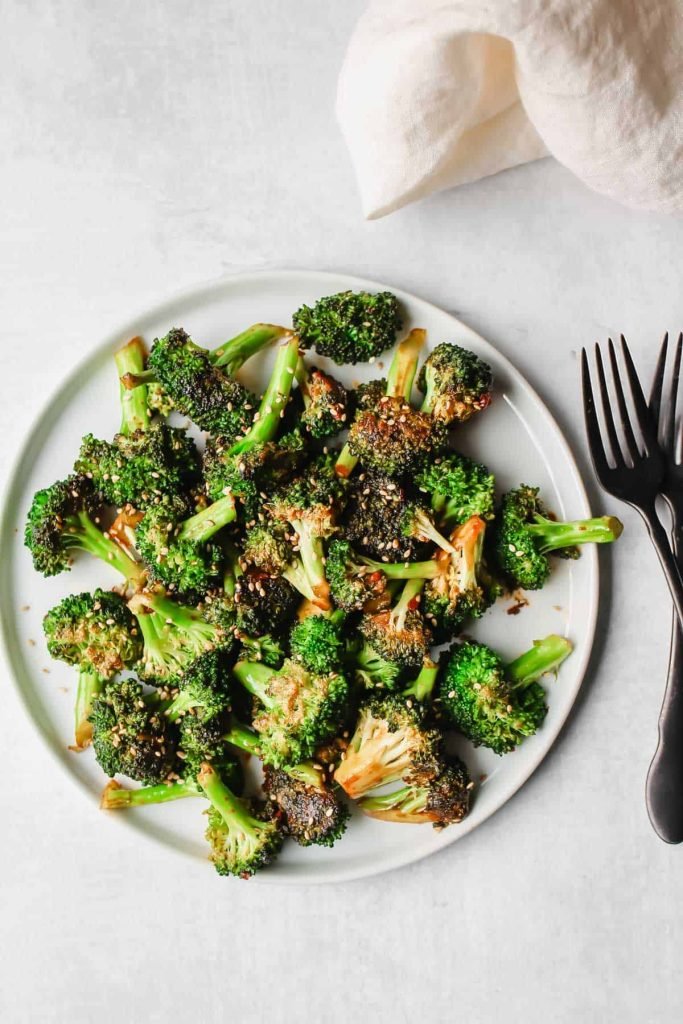
Hey friend! If you love broccoli but sometimes find it a bit, well, boring, let me show you how I took a humble head of florets and turned it into my new favorite side: Easy Gochujang Broccoli. With just a few pantry staples—gochujang, garlic, ginger, a touch of sweetness, and a sprinkle of sesame seeds—you can transform ordinary veggies into something spicy, sweet, and irresistibly Korean-inspired. I first tried this combination when I was craving heat and depth without firing up the grill or slow cooker. After tossing steamed broccoli with a simple gochujang sauce, I couldn’t believe how addictive it was. Now I make it at least once a week, and I can’t wait for you to discover how quickly it becomes a staple in your kitchen!
Nutritional Benefits That Make You Feel Great
This dish isn’t just about bold flavor—it’s also a nutrition superstar:
- Vitamin C Boost: Broccoli is loaded with vitamin C, which supports your immune system, skin health, and collagen production.
- Fiber-Rich: One cup of cooked broccoli delivers around 5 grams of fiber, helping keep you full, supporting healthy digestion, and stabilizing blood sugar levels.
- Antioxidant Powerhouse: Gochujang contains capsaicin from chili peppers, a compound linked to anti-inflammatory and metabolism-boosting effects. Broccoli also brings sulforaphane, a potent antioxidant that may support heart health and cellular protection.
- Plant Protein: While broccoli isn’t as protein-packed as beans, it still provides about 4 grams per cup, plus all nine essential amino acids when paired with whole grains or nuts.
- Low-Calorie Satisfaction: At roughly 50 calories per cooked cup, broccoli lets you fill your plate without packing on excess calories—perfect for balanced meals and mindful eating.
Adaptable Variations & Custom Swaps
One of the things I love about this recipe is how easy it is to make it your own. Here are some of my favorite twists:
- Sweet Heat: Swap honey for maple syrup or brown sugar for a deeper, caramel-like sweetness.
- Extra Crunch: Toss in toasted cashews, almonds, or pumpkin seeds right before serving to add texture and extra nutrients.
- Veggie Medley: Mix in cauliflower florets, snap peas, or sliced carrots for a colorful, multi-vegetable version.
- Smoky Twist: Stir in a teaspoon of smoked paprika or charbroil the broccoli on a hot grill pan for a smoky edge.
- Protein Power: Add cooked tofu cubes, tempeh, or shredded chicken to make this a main-dish salad or bowl.
- Vegan & Gluten-Free: Ensure your gochujang is gluten-free (many brands are), and use tamari instead of soy sauce for a fully gluten-free, vegan option.
- Citrus Bright: Finish with a squeeze of fresh lime or lemon juice to brighten the bold flavors and add extra vitamin C.
- Herb Infusion: Stir in chopped cilantro, green onions, or Thai basil for a fresh, herbal lift.
Easy Gochujang Broccoli Recipe
Ingredients
- 1½ pounds fresh broccoli crowns, cut into bite-sized florets
- 1 tablespoon neutral oil (avocado, grapeseed, or canola)
- 3 garlic cloves, minced
- 1 teaspoon fresh ginger, grated
- 2 tablespoons gochujang (Korean chili paste)
- 1 tablespoon soy sauce or tamari
- 1 tablespoon rice vinegar
- 1–2 teaspoons honey or maple syrup, to taste
- 2 tablespoons water (or vegetable broth)
- 1 teaspoon toasted sesame oil
- 2 teaspoons toasted sesame seeds, plus more for garnish
- Optional garnish: sliced green onions, lime wedges
Instructions
- Steam or blanch the broccoli: Bring a pot of water to a gentle boil and add a pinch of salt. Add the broccoli florets and cook for 2–3 minutes until bright green and just tender. Immediately transfer to a bowl of ice water to stop cooking, then drain and pat dry. (Alternatively, use a steamer basket over simmering water for 4–5 minutes.)
- Prepare the sauce: In a small bowl, whisk together gochujang, soy sauce, rice vinegar, honey (or maple syrup), and water or broth until smooth. Set aside.
- Sauté aromatics: In a large skillet or wok over medium-high heat, warm the neutral oil. Add the garlic and ginger, stirring constantly for about 30 seconds until fragrant—don’t let them burn.
- Toss in broccoli: Add the drained broccoli florets to the skillet and stir-fry for 1–2 minutes to heat through.
- Add the sauce: Pour the gochujang sauce over the broccoli and stir continuously for 1–2 minutes until the florets are evenly coated and the sauce begins to bubble and thicken.
- Finish with sesame: Turn off the heat and drizzle with toasted sesame oil. Sprinkle with sesame seeds and toss gently to distribute. Adjust seasoning with extra soy sauce, honey, or vinegar if needed.
- Serve: Transfer to a serving platter or individual plates. Garnish with sliced green onions and lime wedges for squeezing. Enjoy hot or at room temperature as a vibrant side dish or as part of a grain bowl.
Practical & Valuable Tips
- Avoid mushy broccoli: Don’t overcook—stop at just tender-crisp so you retain vibrant color and a satisfying bite.
- Even sauce distribution: Whisk your sauce ingredients thoroughly to prevent clumps of gochujang and ensure every floret gets its spicy-sweet coating.
- Make ahead: You can prep the broccoli a day in advance—steam, cool, and refrigerate. Reheat quickly in the skillet with sauce before serving.
- Pan selection: Use a wide skillet or wok so you have room to toss without overcrowding, which can steam the broccoli instead of stir-frying.
- Balance the heat: Gochujang can be quite spicy—start with 1½ tablespoons and add more if you love the heat. A squeeze of lime at the end helps tame intensity.
- Oil alternatives: If you prefer a lower-fat version, use a mist of cooking spray and a splash of water to stir-fry instead of oil.
- Serving suggestions: Pair with steamed rice, quinoa, or noodles; top bowls with sliced avocado or a fried egg for a complete meal.
- Storage & reheating: Store leftovers in an airtight container for up to 3 days. Reheat gently in a skillet over medium heat, adding a splash of water to loosen the sauce if needed.
Frequently Asked Questions
- Can I use frozen broccoli? Yes! Thaw and drain it thoroughly, then pat dry before stir-frying. You may need to reduce steaming time since frozen florets are partially cooked.
- What can I substitute for gochujang? If you can’t find gochujang, mix 1 tablespoon chili garlic sauce or sriracha with 1 tablespoon miso paste and 1 teaspoon brown sugar for a similar sweet-spicy-umami blend.
- How spicy is this dish? It’s moderately spicy by default. Adjust heat by adding more gochujang or balancing with extra honey or lime juice to suit your taste.
- Is this recipe gluten-free? It can be—just use tamari instead of regular soy sauce and check that your gochujang brand is certified gluten-free.
Call to Action
I hope you give this Easy Gochujang Broccoli a try and let its spicy-sweet flavors brighten your next meal. Snap a photo of your vibrant side dish and tag me on Pinterest so I can celebrate your kitchen creation! And if you come up with any fun variations—maybe adding tofu cubes or mixing in sesame noodles—drop a comment below to share your delicious twists. Happy cooking and enjoy every bold, flavorful bite!