A Comforting Yet Elegant Dinner Option
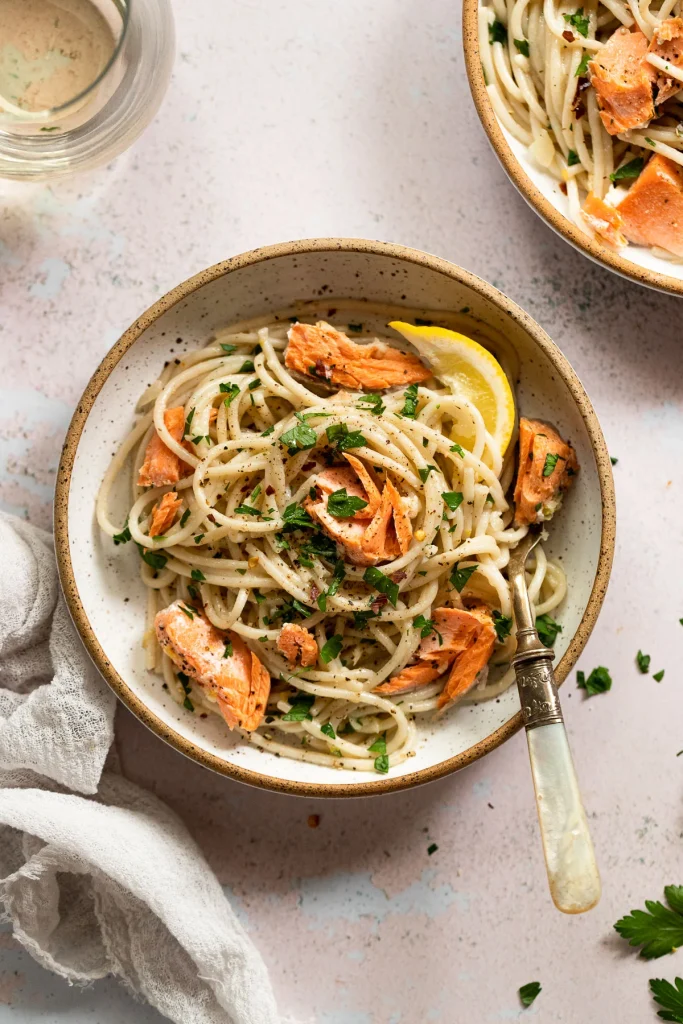
Hey there! If you’re anything like me, some evenings call for a meal that feels a bit special but doesn’t require hours in the kitchen or a grocery list a mile long. That’s where this Creamy Salmon Spinach Pasta with Garlic, Lemon & White Wine Sauce comes into play—a dish that’s quick enough for a weeknight dinner yet elegant enough to serve when friends or family drop by. I first discovered this recipe on a busy Thursday when I wanted something fancy enough to impress my partner, but speedy enough to whip up after work. The result? Creamy pasta coated in a silky sauce, tender salmon fillets, fresh spinach, and bright hints of garlic, lemon, and white wine. It felt like a restaurant-worthy dish, but it took me under 30 minutes from stovetop to plate!
Why You’ll Love This Dish
Here’s the scoop: you get perfectly cooked salmon fillets that practically melt in your mouth, paired with al dente pasta bathed in a light yet creamy sauce. The garlic and white wine add depth and aroma, while the lemon brightens everything up. Then there’s the spinach—because I always find a way to sneak in some greens. It doesn’t overwhelm the flavor; instead, it offers a pleasant freshness and a pop of color. Best of all, once you have the ingredients, it’s mainly a matter of throwing things together in the right order. Whether you’re a seasoned cook or still learning your way around a pan, you can absolutely nail this dish.
Nutritional Benefits to Feel Good About
I love a dish that tastes indulgent but still carries some nutritional perks, and this salmon spinach pasta fits the bill. Here’s why:
- Salmon’s Omega-3 Punch: Salmon is well-known for its omega-3 fatty acids, which support heart health, reduce inflammation, and improve brain function. I always feel good knowing I’m adding that boost into my meal.
- Lean Protein Source: Between the salmon and the pasta (especially if you choose whole wheat or legume-based noodles), you get a solid protein foundation. It helps keep you full and satisfied without feeling weighed down.
- Vitamin-Packed Spinach: A handful (or two) of spinach sneaks in a good dose of vitamins A, C, K, plus iron and calcium. It’s practically a stealth health hero because once it wilts into the sauce, you hardly notice it—but your body certainly does.
- Garlic and Antioxidants: Garlic brings that amazing flavor and offers antioxidants and potential immune-boosting properties. A little can go a long way in both taste and nutrition.
- Lemon Brightness & Vitamin C: The fresh lemon juice brightens the dish and provides a dash of vitamin C, which helps with nutrient absorption—especially iron from the spinach.
In short, while you’re treating yourself to a comforting pasta dinner, you’re also loading up on beneficial nutrients. And isn’t that the best?
Adaptable Variations & Dietary Swaps
I know that not everyone has the same dietary needs or ingredient preferences, so I wanted to share some ideas for swapping things around. Feel free to mix and match these suggestions to suit your own pantry, taste buds, or dietary restrictions:
- Gluten-Free Pasta: If you’re avoiding gluten, try a quality gluten-free penne or fettuccine. Rice-based or chickpea-based pasta work beautifully and soak up the sauce in almost exactly the same way as traditional semolina pasta.
- Dairy-Free Creaminess: To make the sauce dairy-free, use canned coconut milk (full fat) or a plant-based “cream” alternative in place of heavy cream. You might lose a touch of the silky texture, but a drizzle of olive oil can help boost richness.
- Lower-Carb Option: Substitute zucchini noodles (“zoodles”) or spiralized yellow squash for traditional pasta. Toss them in at the very end—just long enough to warm through, so they don’t get too soft.
- Different Protein: If salmon isn’t your jam or you don’t have fresh fillets on hand, you can swap in cooked shrimp (peel-and-eat style) or even pre-cooked rotisserie chicken. Add it at the end when you let the sauce and spinach simmer.
- Extra Veggie Kick: Toss in halved cherry tomatoes, roasted red peppers, or mushrooms. They pair wonderfully with the garlic-lemon flavors and add more color and nutrients.
- Herb Variations: Feel free to customize the herbs. If you have dill on hand, it’s a natural complement to salmon. Or try a sprinkling of fresh basil at the end for an Italian twist.
- Spicy Twist: If you like heat, add a pinch of red pepper flakes when you’re sautéing the garlic. You’ll get a subtle warmth that contrasts nicely with the cool creaminess.
- Wine-Free Version: Simply skip the white wine and replace it with an equal amount of low-sodium chicken or vegetable broth. You won’t get that wine aroma, but the sauce will still be flavorful and moist.
Creamy Salmon Spinach Pasta Recipe
Ingredients
- 8 oz pasta of your choice (penne, fettuccine, or linguine)
- 2 salmon fillets (about 6 oz each), skin on or off depending on preference
- 2 tablespoons olive oil (divided)
- 3–4 cloves garlic, minced
- 1 small shallot or ½ medium red onion, finely chopped
- ½ cup dry white wine (such as Sauvignon Blanc or Pinot Grigio)
- 1 cup heavy cream (or full-fat coconut milk for dairy-free)
- 2 cups fresh baby spinach
- Zest of 1 lemon
- Juice of 1 lemon (about 2 tablespoons)
- Salt and freshly ground black pepper, to taste
- 1 tablespoon chopped fresh parsley (for garnish)
- Optional: ¼ teaspoon red pepper flakes (for a hint of spice)
Instructions
- Prep the Ingredients: Fill a large pot with water, add a generous pinch of salt, and bring it to a boil. While you wait, pat the salmon fillets dry with paper towels and season both sides with salt and pepper. Zest and juice the lemon, mince the garlic, and chop the shallot or onion. Rinse the spinach and set aside.
- Cook the Pasta: Once the water is boiling, add your pasta and cook according to the package instructions until al dente (usually about 8–10 minutes). Before draining, reserve ½ cup of pasta cooking water in a small bowl or measuring cup—this starchy water can help thin or bind the sauce later if needed. Drain the pasta and set aside.
- Pan-Sear the Salmon: While the pasta cooks, heat 1 tablespoon of olive oil in a large skillet over medium-high heat. Once hot, place the salmon fillets skin-side down (if your fillets have skin). Cook for 3–4 minutes without moving them, so the skin crisps up (or a nice sear forms on the bottom). Carefully flip and cook another 2–3 minutes on the other side, depending on thickness, until the salmon is just opaque in the center. The goal is to cook slightly under because it will continue to finish in the sauce. Transfer the salmon to a plate and cover loosely with foil to keep warm.
- Sauté Garlic & Shallot: Reduce the heat to medium and add the remaining 1 tablespoon of olive oil to the same skillet. Add the chopped shallot (or onion) and sauté for 1–2 minutes until slightly translucent. Stir in the minced garlic (and red pepper flakes, if using), and cook for about 30 seconds until fragrant—be careful not to let the garlic brown too much, as that can introduce a bitter flavor.
- Deglaze with Wine: Pour in the white wine to deglaze the pan, scraping any brown bits off the bottom with a wooden spoon. Let the wine simmer for about 2–3 minutes, allowing it to reduce slightly. This concentrates the flavor and removes most of the alcohol’s bite.
- Add Cream & Lemon: Lower the heat to medium-low, then stir in the heavy cream (or coconut milk). Add the lemon juice and lemon zest, stirring to combine. Season with a pinch of salt and a generous crack of black pepper. Let the sauce gently simmer for 2–3 minutes until it starts to thicken and coat the back of a spoon.
- Incorporate Spinach: Add the fresh baby spinach to the sauce, stirring until it wilts and becomes tender—about 1–2 minutes. The spinach will shrink significantly, so don’t be tempted to add more than the recipe calls for. You’ll still get a pleasant green color and a boost of nutrients without overpowering the sauce.
- Combine Pasta & Sauce: Add the cooked pasta to the skillet, gently tossing to coat each strand or piece with the creamy sauce. If the sauce seems too thick or you prefer a looser consistency, add a splash of the reserved pasta water until it reaches your desired texture. Taste and adjust seasoning as needed—sometimes a pinch more salt or a dash more pepper makes all the difference.
- Flake or Add Salmon: Option A: Flake the salmon into large chunks using two forks, then gently fold it into the pasta so that you still see tender pink pieces. Option B: Alternatively, cut each salmon fillet into two or three thick slices and nestle them on top of the pasta. Either way, be gentle when stirring so you don’t break the salmon into tiny bits—you want those lovely, visible salmon pieces throughout.
- Garnish & Serve: Remove the skillet from heat. Sprinkle chopped fresh parsley (and additional lemon zest, if you like) over the top for color and brightness. Divide the pasta among serving plates or bowls. If you want to amp up the elegance, drizzle an extra light swirl of olive oil and maybe a pinch of flaky sea salt on top. Serve immediately while hot, and bask in the compliments!
Practical & Valuable Tips
- Fresh vs. Frozen Salmon: If fresh salmon isn’t available or is pricey, you can use frozen salmon fillets—just thaw them completely, pat dry, and follow the same cooking steps. I find that wild-caught, sustainably sourced salmon adds that extra depth of flavor, but farmed salmon also works in a pinch.
- Wine Substitute: If you prefer not to cook with alcohol, swap the white wine for an equal amount of low-sodium chicken or vegetable broth. The sauce will still have plenty of flavor, especially with lemon, garlic, and shallot in the mix.
- Controlling Sauce Thickness: Heavy cream will naturally thicken more than coconut milk. If you opt for a dairy-free version and find the sauce too thin, let it simmer a bit longer or stir in a small slurry of cornstarch and warm water (1 teaspoon cornstarch + 1 tablespoon water).
- Prevent Overcooked Salmon: Salmon cooks quickly, especially in a hot pan. If you prefer a medium-rare center, remove it just before it’s fully opaque—it will continue to cook in the sauce’s residual heat. Overcooking salmon can make it dry, so keep an eye on that pink hue.
- Spinach Alternatives: If you don’t have baby spinach on hand, baby kale or arugula can work. Kale will need a minute or two longer to soften, while arugula wilts almost instantly and adds a peppery note.
- Prep Work Simplifies Things: If you’re short on time after work, you can prep some elements in advance—like mincing the garlic and shallot, zesting the lemon, and washing the spinach. That way, when it’s time to cook, everything goes into the pan quickly, and you’re not hovering over a cutting board when the pasta is boiling.
- Serve With a Side: This dish is substantial on its own, but a simple side salad—like mixed greens with a lemon vinaigrette—pairs perfectly. For a bread option, try a few slices of crusty baguette or garlic bread to soak up the extra sauce.
- Make It Ahead: If you know you’ll be short on time later, cook the pasta and salmon separately, store them in airtight containers in the fridge, and prepare the sauce on the day of serving. Then gently reheat everything together in a skillet, adding spinach at the end. This method gets you to the table in under 10 minutes.
- Leftovers Strategy: Store any leftovers in an airtight container in the fridge for up to two days. The pasta will absorb more sauce overnight, so when reheating, add a splash of milk, cream, or broth to loosen it up. Reheat gently on the stovetop over low heat to avoid drying out the salmon.
- Make It Vegan: For a completely vegan twist, skip the salmon and swap in vegan “cream” (soy or oat) plus nutritional yeast for a cheesy flavor. Use pan-seared tofu or tempeh for protein, and consider adding peas or white beans for extra heartiness.
Frequently Asked Questions
- Can I use pre-cooked salmon?
Yes! If you have leftover baked or grilled salmon, gently flake it into the finished pasta and sauce right before serving. Just make sure it’s heated through, but don’t over-stir or it will become mushy. - What type of pasta works best?
I personally love using fettuccine or linguine because the wide noodles hold the sauce beautifully. However, penne or rigatoni are also excellent choices, especially if you want bite-sized pasta bites with each forkful. - How can I tell when the salmon is perfectly cooked?
An easy trick is to gently press the center of the fillet with a fork. If it flakes apart easily and is opaque (light pink, not translucent), it’s done. If you see a bright red or dark pink center, give it another minute—but remember, it will continue cooking off the heat. - My sauce is too thin. What can I do?
If the sauce hasn’t thickened to your liking, let it simmer a bit longer on low heat, stirring frequently. You can also whisk in a small slurry of cornstarch and water (1 teaspoon cornstarch dissolved in 2 tablespoons cold water) and stir until it thickens. - Can I skip the alcohol entirely?
Absolutely! Replace the white wine with equal parts low-sodium chicken or vegetable broth. The flavor profile will still be delicious with garlic, lemon, and cream doing most of the work. - What’s the best way to reheat leftovers?
I recommend reheating gently on the stovetop over low heat. Add a splash of milk, cream, or broth to loosen the sauce and prevent dryness. Stir frequently to ensure even heating and to keep the salmon from falling apart. - How do I make this dish lower in calories?
Use light cream or half-and-half instead of heavy cream, and reduce the amount to ¾ cup. Consider using a whole-grain or legume-based pasta for more fiber, and trim any visible fat from the salmon before cooking. You can also reduce or skip the olive oil and use a nonstick pan with cooking spray. - Can I freeze this pasta dish?
I don’t recommend freezing creamy pasta dishes with seafood because the texture can change and the seafood can become rubbery. Instead, prepare components separately (cook the pasta al dente, store salmon separately) and combine fresh on the day you plan to eat it.
Let’s Stay Connected & Share Your Creations
Thanks so much for joining me on this culinary adventure! If you give this Creamy Salmon Spinach Pasta with Garlic, Lemon & White Wine Sauce a try, I’d love to hear how it turned out. Did you swap in zoodles instead of traditional pasta? Maybe you added cherry tomatoes or tried that spicy red pepper flake twist? Drop me a comment or tag me on Pinterest so I can see your delicious creations. Also, I share lots of quick weeknight dinners, entertaining ideas, and cooking hacks over there—so follow along for more inspiration. Until next time, happy cooking and cheers to good food and even better company!