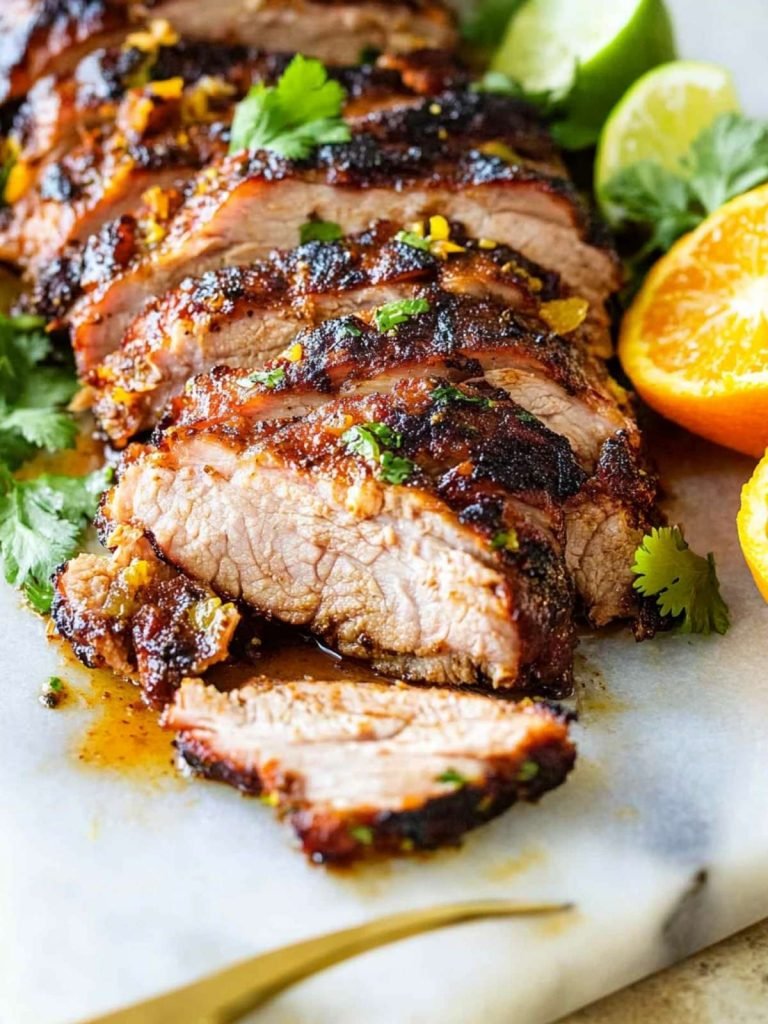
Savor the Sunshine: Roasted Cuban Mojo Pork (Lechón Asado)
Hey there, flavor adventurer! If you’ve ever tasted the bold, garlicky, citrus-kissed magic of Cuban mojo pork at a family gathering or in a little Miami café, you know it’s the kind of dish that makes you close your eyes and savor every bite. I first discovered Lechón Asado—Cuban-style roasted pork—at a friend’s backyard fiesta. The air was filled with the sizzle of pork roasting over coals, the tang of orange and lime mingling with garlic, and the joyful chatter of friends passing plates piled high with shredded pork and rice. I knew immediately I had to recreate that sunshine-on-your-tongue feeling at home. Since then, I’ve perfected my own mojo marinade and roasting technique, and I can’t wait to share it with you. Whether you’re hosting a summer cookout or craving something bright and savory on a weeknight, this recipe delivers juicy, tender pork bursting with Cuban flair. Ready to transport your taste buds to the tropics? Let’s dive in!
Nutritional Benefits That Pack a Punch
Now, I know “roasted pork” might not scream “health food” right away, but this mojo pork brings some surprising nutritional perks when you balance it right. Here’s why you can feel good about digging into Lechón Asado:
- High-Quality Protein: Pork shoulder or butt provides about 22–24 grams of complete protein per 3-ounce serving—ideal for muscle repair, immune function, and keeping you full through busy days.
- Vitamin C & Antioxidants: The marinade’s citrus—fresh orange and lime juice—delivers vitamin C to support your immune system and help your body absorb iron from the meat.
- Minerals & Electrolytes: Garlic and onions add prebiotic compounds for gut health. A touch of salt in the marinade can help replenish electrolytes lost through sweat when you’re firing up your grill.
- Healthy Fats (in Moderation): Using leaner pork cuts and trimming excess fat keeps saturated fat in check, while the meat’s natural fats help you absorb fat-soluble vitamins and keep you satisfied.
- Herbal Phytonutrients: Fresh oregano and cilantro contribute plant compounds that fight inflammation and add aromatic complexity without extra calories.
With a simple side of black beans, brown rice, or a crisp green salad, you’ve got a balanced meal that’s as nourishing as it is flavorful.
Adaptable Variations & Flavor Twists
One of the things I love most about mojo pork is how easy it is to make it your own. Whether you want extra heat, a smoky twist, or a make-ahead shortcut, here are some of my favorite riffs:
- Spicy Mojo: Stir in 1–2 chopped habanero or jalapeño peppers (seeds included) to the marinade for a fiery Cuban kick. Adjust to your heat tolerance!
- Smoky & Sweet: Add a tablespoon of smoked paprika and a drizzle of honey or agave to the marinade. The sweet-smoky combo plays beautifully against the citrus and garlic.
- Herb-Forward: Swap cilantro for fresh parsley, or add chopped rosemary and thyme to the marinade. Each herb brings its own aromatic twist.
- Mojo Pork Tacos: Shred the cooked pork and serve in warm corn tortillas with pickled onions, avocado slices, and a squeeze of lime for Caribbean-inspired tacos.
- Slow-Cooker Convenience: After marinating, transfer the pork to a slow cooker and cook on LOW for 6–8 hours or HIGH for 3–4 hours. Finish under the broiler for a caramelized crust.
- Air Fryer Quick Roast: Cut the pork into 2-inch cubes, marinate, then roast in a hot air fryer at 375°F for 20–25 minutes, shaking halfway, until edges are crisp.
- Vegan “Pork” Alternative: Use large seitan or jackfruit pieces marinated in the mojo, then roast or pan-sear for a plant-based spin on Cuban classics.
- Eastern European Fusion: Add caraway seeds and a dash of apple cider vinegar for a playful nod to Eastern European roast pork traditions.
Recipe: Authentic Roasted Cuban Mojo Pork (Lechón Asado)
Ingredients (Serves 6–8)
- For the Mojo Marinade:
- 1 cup fresh orange juice (about 2–3 oranges)
- ½ cup fresh lime juice (about 4–5 limes)
- ¼ cup extra-virgin olive oil
- 8 garlic cloves, smashed or minced
- 1 small white onion, finely chopped
- 1 tablespoon fresh oregano leaves (or 1 teaspoon dried oregano)
- 1 teaspoon ground cumin
- 1 teaspoon smoked paprika (optional)
- 1 teaspoon kosher salt (adjust to taste)
- ½ teaspoon freshly ground black pepper
- 1–2 tablespoons chopped fresh cilantro (plus more for garnish)
- 1–2 teaspoons honey or agave (optional, to balance acidity)
- Pinch of red pepper flakes (optional, for heat)
- For the Pork:
- 3–4 pounds pork shoulder or pork butt, trimmed and cut into large chunks (or left whole for roasting)
- Nonstick spray or a little olive oil, for greasing
- Optional Sides & Garnishes:
- Cuban black beans
- White or brown rice
- Fried plantains (tostones or maduros)
- Fresh lime wedges
- Chopped cilantro and scallions
Step-by-Step Instructions
- Prepare the marinade: In a large bowl or pitcher, whisk together orange juice, lime juice, olive oil, garlic, chopped onion, oregano, cumin, paprika (if using), salt, pepper, cilantro, honey, and red pepper flakes. Taste and adjust the seasoning—it should be bright, tangy, and garlicky.
- Marinate the pork: Place the pork chunks or whole roast in a large zip-top bag or a shallow dish. Pour the mojo marinade over the pork, ensuring it’s fully coated. Seal or cover, then refrigerate for at least 4 hours—or ideally overnight—for the flavors to infuse deeply.
- Preheat & prep: Preheat your oven to 325°F (163°C). If you have a roasting rack, set it inside a roasting pan. Lightly grease the rack or pan with olive oil or nonstick spray to prevent sticking.
- Roast low and slow: Remove pork from the marinade, letting excess drip off (reserve marinade). Arrange pork on the rack or directly in the pan. Roast for about 2½–3 hours, basting with reserved mojo every 30 minutes, until the internal temperature reaches 190–195°F (88–90°C) and the meat is fork-tender.
- Caramelize the exterior: For an extra-crispy crust, increase oven temperature to 425°F (218°C) during the last 15 minutes of cooking, or transfer pork to a preheated broiler for 3–5 minutes—watch closely to avoid burning.
- Rest & shred: Remove pork from the oven and tent loosely with foil. Let rest 15–20 minutes to allow juices to redistribute. Then shred with two forks or slice into thick pieces.
- Serve Cuban-style: Pile juicy mojo pork onto a platter. Garnish with chopped cilantro and scallions, and serve alongside rice, black beans, plantains, and lime wedges for an authentic Cuban feast.
Practical & Valuable Tips
- Marinate overnight: While 4 hours works, marinating overnight yields deeper flavor and more tender meat as acids and aromatics penetrate fully.
- Uniform chunks: If cutting into pieces, aim for 2–3-inch chunks for even cooking. Whole roasts also work beautifully—just adjust cook time slightly.
- Basting magic: Use a basting brush or spoon to coat the pork with reserved mojo every 30 minutes. This builds layers of flavor and keeps the meat moist.
- Broiler caution: If you broil to crisp, keep the oven door slightly ajar and watch closely—sugars in the marinade can burn quickly.
- Rest before shredding: Resting ensures the juices stay in the meat instead of pooling on your cutting board or platter.
- Leftover hack: Store shredded mojo pork and extra marinade separately. Reheat gently in a skillet with a splash of reserved mojo or broth to revive juiciness.
- Freezer-friendly: Cool completely, then freeze in airtight containers up to 3 months. Thaw overnight and reheat for quick Cuban-inspired meals later.
- Grill option: For an outdoor twist, roast the marinated pork chunks on a medium-hot grill over indirect heat for 1½–2 hours, finishing over direct heat for a charred crust.
Frequently Asked Questions
- Can I use pork loin instead of shoulder?
Yes, though pork loin is leaner and can dry out if overcooked. Watch its internal temperature and remove at 145°F (63°C), then rest and slice rather than shredding. - Is mojo pork spicy?
Classic mojo is tangy-garlicky with mild heat. To adjust, increase or omit red pepper flakes or fresh chilies to suit your spice preference. - Can I make this in a slow cooker?
Absolutely—marinate, then cook on LOW for 6–8 hours or HIGH for 4–5 hours. Transfer to a broiler-safe dish to crisp the exterior before serving. - What’s the best way to reheat leftovers?
Gently warm shredded pork in a skillet with a splash of reserved mojo or broth over medium heat. Avoid microwaving dry meat—low, slow reheating preserves moisture. - Do I have to use fresh citrus?
Fresh orange and lime juice deliver the brightest flavor, but bottled 100% juice works in a pinch. Avoid sweetened varieties.
Call to Action
And there you have it—my cherished Roasted Cuban Mojo Pork (Lechón Asado), a festival of garlic, citrus, and spice that brings a taste of Havana to your table. I can’t wait for you to try it and make it your own! When you fire up your oven or grill for this recipe, snap a photo of your glorious mojo pork spread and tag me on Pinterest so I can re-pin your creations. And if you dream up any delicious twists—maybe a pineapple-infused mojo, a smoky chipotle variation, or a vegan jackfruit version—drop a comment below to inspire our flavor-loving community. ¡Buen provecho!